

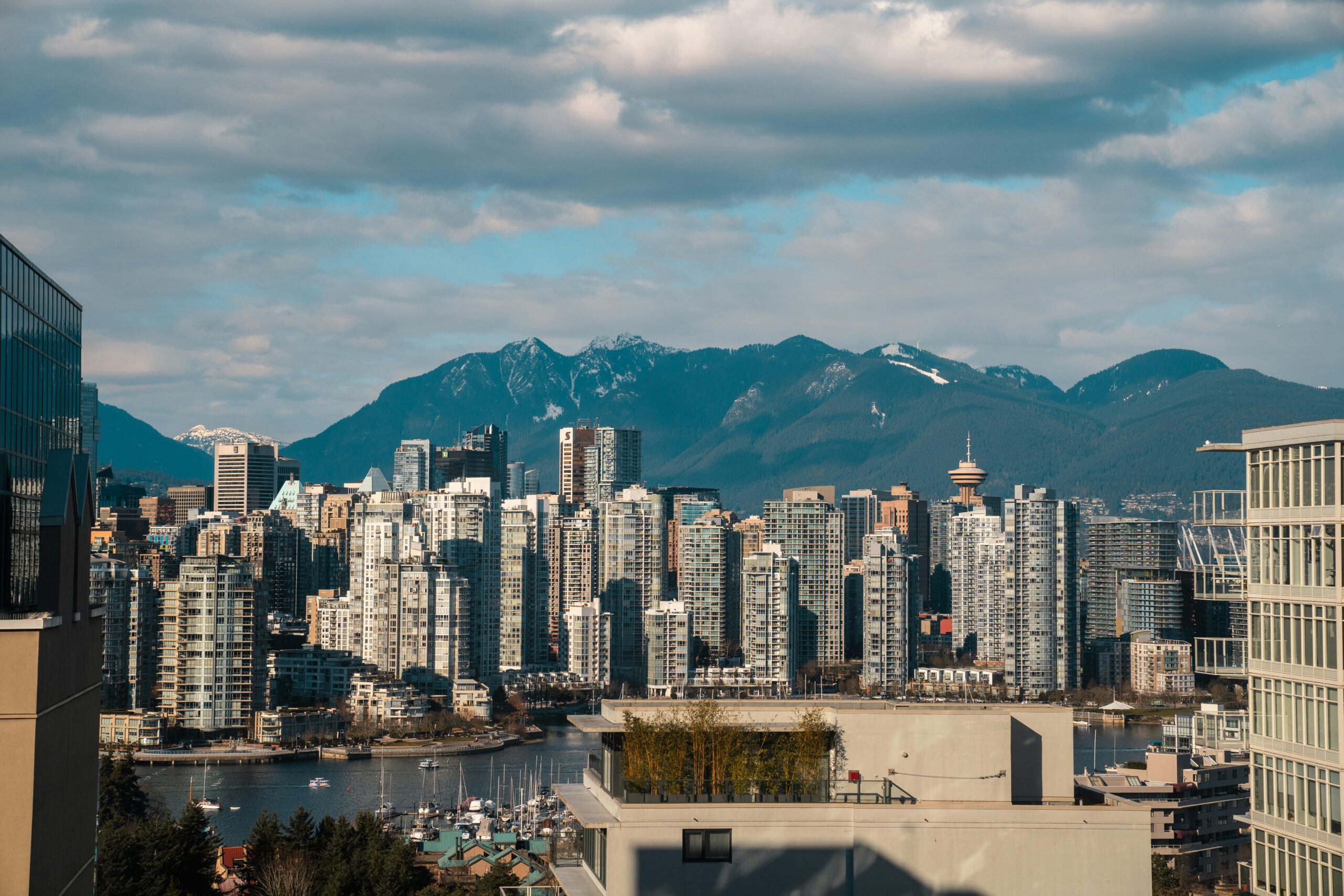
The British Columbia housing market in 2026 is showing signs of stabilization after several challenging years of price volatility, elevated inventory, and shifting demand. While sales volume is expected to rise moderately, affordability pressures and divergent regional trends continue to shape outcomes for buyers, sellers, and renters across the province.
Residential Market: Sales and Prices Outlook
The British Columbia Real Estate Association (BCREA) forecasts that Multiple Listing Service (MLS®) residential sales will increase by about 12% in 2026, with total unit sales reaching approximately 78,690 — a rebound from sluggish activity in 2025. Inventory remains high, running near decade-long peaks of over 40,000 active listings, which is expected to temper price growth and maintain balanced market conditions.¹
BCREA also projects modest price growth in 2026, with average residential prices increasing around 3 % year-over-year due to compositional effects as higher-priced markets regain momentum.¹
Average Home Prices by City/Region in British Columbia (Late 2025 / Early 2026)
| City / Region | Average / Benchmark Home Price (CAD) | Source |
|---|---|---|
| British Columbia (Overall) | ~$952,061 | WOWA, BC Housing Market: https://wowa.ca/bc-housing-market |
| Greater Vancouver | ~$1,189,227 | WOWA, Greater Vancouver Data: https://wowa.ca/bc-housing-market |
| Victoria | ~$1,010,603 | WOWA, Victoria Housing Prices: https://wowa.ca/bc-housing-market |
| Fraser Valley | ~$1,014,684 | WOWA, Fraser Valley Housing Prices: https://wowa.ca/bc-housing-market |
| Okanagan (Region) | ~$784,802 | WOWA, Okanagan Housing Prices: https://wowa.ca/bc-housing-market |
| Nanaimo (Vancouver Island) | ~$794,700 (benchmark) | CREA / VIREB: https://creastats.crea.ca/board/vani/ |
| Chilliwack | ~$759,838 | WOWA, Chilliwack Housing Prices: https://wowa.ca/bc-housing-market |
| Kamloops | ~$616,624 | WOWA, Kamloops Housing Prices: https://wowa.ca/bc-housing-market |
| Kootenay (Region) | ~$535,209 | WOWA, Kootenay Housing Prices: https://wowa.ca/bc-housing-market |
| Northern BC | ~$419,529 | WOWA, Northern BC Housing Prices: https://wowa.ca/bc-housing-market |
| South Peace | ~$284,098 | WOWA, South Peace Housing Prices: https://wowa.ca/bc-housing-market |
Divergent Regional Trends
Despite overall stabilization, some regions — especially Metro Vancouver — are forecast to see price corrections through 2026. According to recent industry analysis, median detached home prices in Metro Vancouver are expected to fall by approximately 5%, while condo prices may decline by about 3%, driven by slower demand and more abundant supply relative to peak pricing levels.²
Experts describe the current market as exhibiting characteristics of a “tale of two markets,” where pricing pressures vary significantly between regions and housing segments.²
Rental Market Developments
On the rental side, the Rental Protection Fund — a provincial initiative launched to preserve and protect existing affordable rental homes — recently surpassed its target of protecting 2,000 rental units across British Columbia ahead of schedule.³ ⁴ This milestone reflects the increasing role of public and non-profit efforts in securing affordable rental housing and providing stability to long-term tenants, as the fund continues to acquire properties in communities such as Vancouver and White Rock.³ ⁴
Construction and Future Supply Dynamics
Builders and developers are responding to market realities by adjusting project mixes. Some larger high-rise developments are being postponed, with stronger focus on smaller, attainable housing types such as townhomes or mid-rise buildings that better match current demand and financing conditions.² Meanwhile, rental supply pipelines are expanding in many regions, which could help stabilize rent growth and support broader housing affordability over time.³
Challenges and Ongoing Pressures
Despite signs of stabilization, several challenges persist:
-
Construction and land costs remain elevated, influencing development timelines and housing affordability.²
-
Economic uncertainty and shifting financing conditions continue to affect buyer confidence and transaction volume.¹
-
Regional disparities, particularly in high-cost urban markets, mean that affordability remains a key constraint for many prospective buyers and renters.²
Implications for Buyers and Sellers
For buyers, increased inventory and more balanced conditions may offer greater choice and reduced competition, especially for well-priced properties. For sellers, realistic pricing strategies are critical to attract buyers in markets where affordability and supply dynamics are shifting.
Ready to buy a home? Visit PrimoAgents to find qualified real estate agents in your area!
References
-
British Columbia Real Estate Association. (2026, January 28). BCREA 2026 First Quarter Housing Forecast update: A slow return to normal. https://www.bcrea.bc.ca/economics/housing-forecast_/ (bcrea.bc.ca)
-
Makan, J. (2025, December 17). A tale of two markets emerges in B.C. real estate for 2026. Business in Vancouver. https://www.biv.com/news/real-estate/a-tale-of-two-markets-emerges-in-bc-real-estate-for-2026-11637381
-
Ministry of Housing and Municipal Affairs. (2026, February 2). Protecting more than 2,000 homes in B.C. Government of British Columbia news release. https://news.gov.bc.ca/releases/2026HMA0010-000102
-
Rental Protection Fund. (2026, February 2). Rental Protection Fund surpasses 2,000 homes protected across B.C. https://www.rentalprotectionfund.ca/news-posts/rental-protection-fund-surpasses-2-000-homes-protected